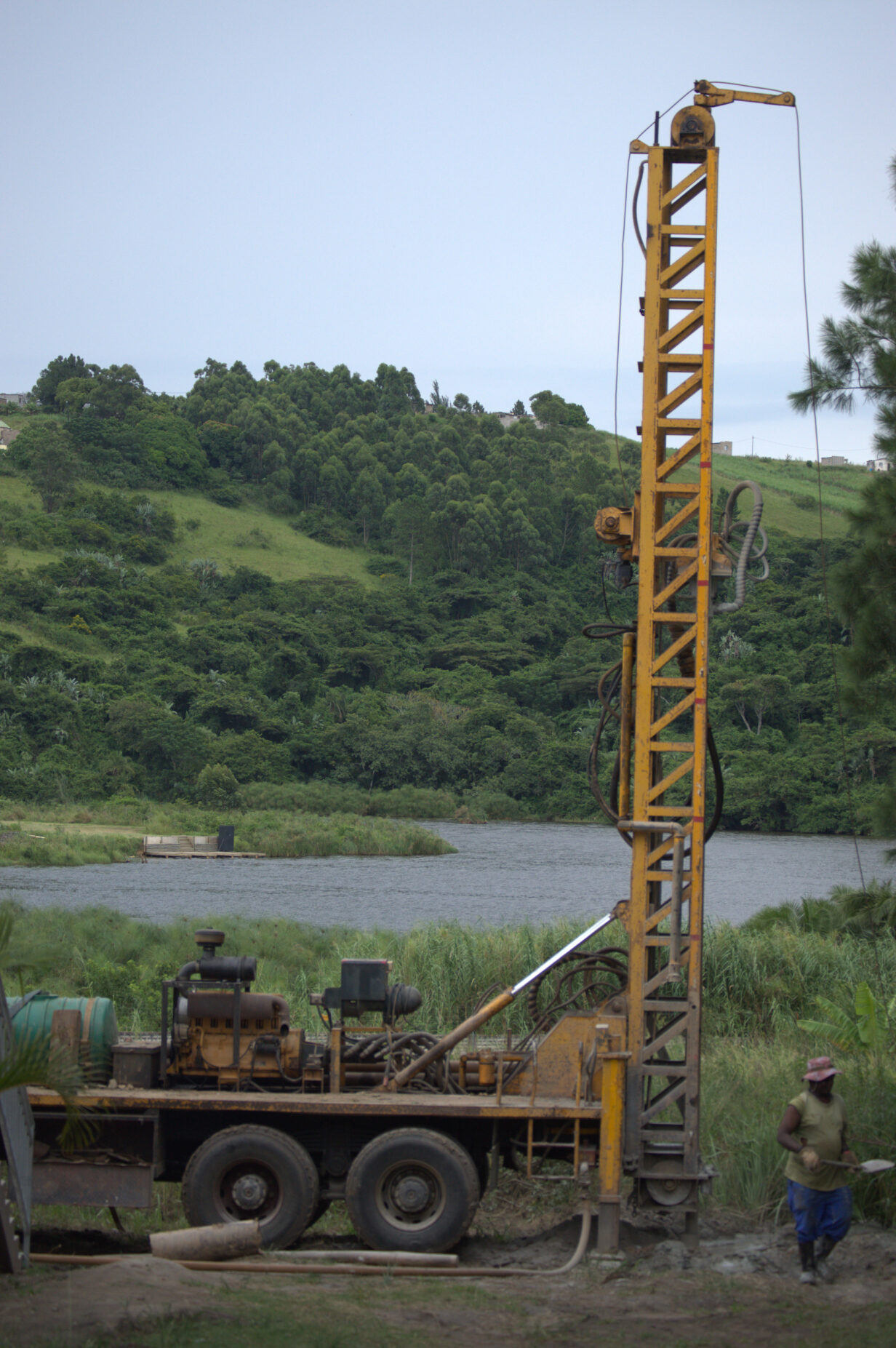
This letter serves to outline the current groundwater situation in the Dlangezwa area, KwaZulu-Natal, particularly in relation to the rapid development surrounding the University of Zululand.
For the past 30 years, borehole drilling and groundwater supply have formed an integral part of infrastructure development in the Dlangezwa region. Through long-standing involvement in this field, we have gained extensive experience in the sustainable and responsible management of groundwater resources. Based on this experience, we wish to highlight the following concerns.
Over the last decade, Dlangezwa has experienced significant growth in student accommodation developments. This expansion has been accompanied by the drilling of hundreds of boreholes, with most new developments installing their own borehole systems to supply water to large numbers of residents. In many cases, it is assumed that a single borehole will sustainably support hundreds of students within a hostel facility. Unfortunately, the available groundwater resources in the area are insufficient to meet this level of demand.
In addition, boreholes are being drilled by various contractors, not all of whom are adequately trained or experienced in groundwater management principles. As a result, many boreholes are being over-pumped, leading to declining yields and long-term damage to the aquifer system.
We have observed a significant reduction in borehole performance across the area. Boreholes that previously yielded approximately 1,500 litres per hour are now producing only 300 to 500 litres per hour. This decline is largely due to excessive pumping without proper understanding of recharge rates and sustainable abstraction limits. In many cases, valves are left fully open, causing boreholes to be pumped dry rather than managed responsibly.
If the current trend continues, we foresee a serious groundwater crisis in the Dlangezwa area. Ongoing development, increasing student populations, declining borehole yields, and continued drilling of additional boreholes create a self-perpetuating cycle that places severe strain on the aquifer. Without improved regulation, professional oversight, and responsible water management practices, the sustainability of groundwater resources in this region is at significant risk.
We strongly recommend that all future developments be guided by professional hydrogeological assessments and sustainable abstraction plans to prevent further degradation of this critical resource.